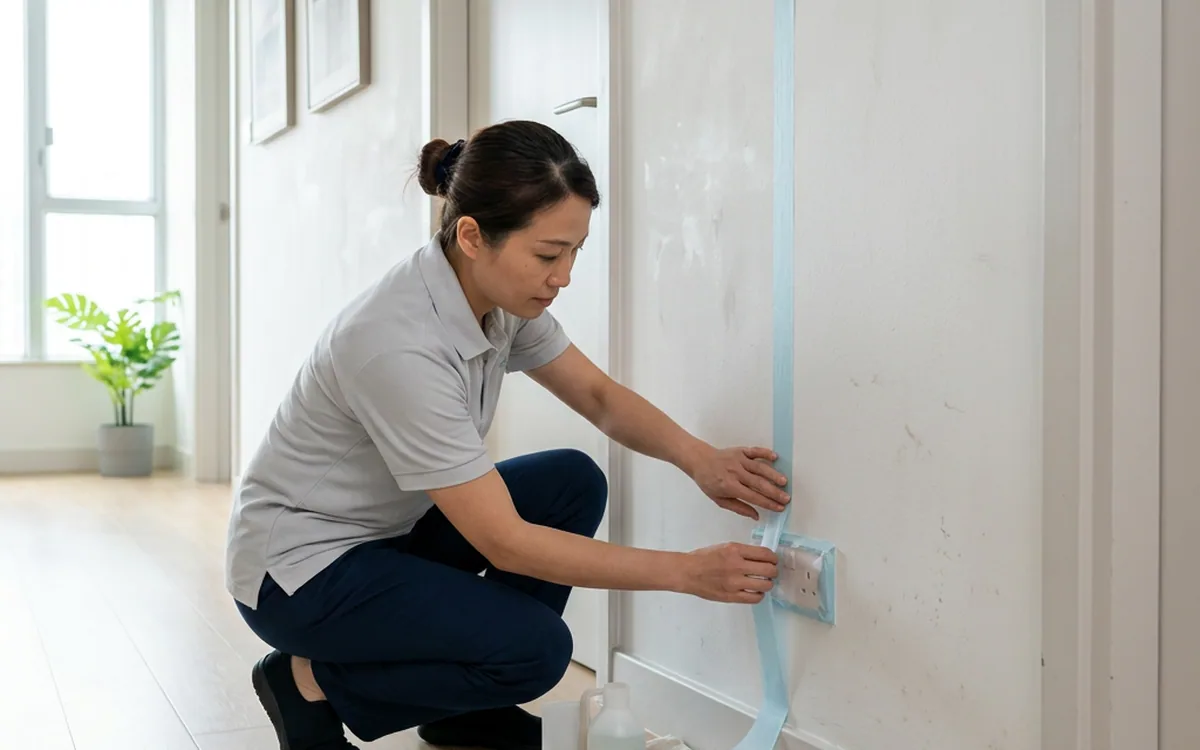
Wall cleaning should be performed according to the material (such as latex paint or wallpaper), and you must test it in a concealed area before cleaning. Methods include using a white eraser to remove pencil marks, gently pressing with a slightly damp cloth to remove stains, etc. Absolutely avoid vigorous scrubbing or excessive moisture to prevent paint from peeling off.
Judging and testing wall materials
Different coatings react differently to cleaning agents and moisture. Before you start, be sure to test in a concealed area to see if the cleaning agent causes discoloration or peeling.
- Latex paint: Usually wash-resistant; you can use a slightly damp cloth to gently pat away stains, avoiding excessive friction.
- Wallpaper: You need to first determine whether it has a waterproof coating; water should absolutely not be used on paper wallpaper.
- Concealed test: Test in a corner of the wall or behind furniture, and only proceed with cleaning after confirming there is no color difference or material damage.
Stain-specific treatment methods
The key to handling wall stains lies in using "gentle force" rather than brute force.
Before using bleach, please first understand Method for using bleach from the Centre for Health Protection(opens in a new window), and operate according to the product label.
- Pencil marks: Use a clean white eraser to gently erase them.
- Oil stains: Use a tiny amount of dish soap solution, dip a cloth in it, wring it out, gently press on the stained area to dissolve the oil, and immediately wipe clean with a cloth dampened with clear water.
- Mold spots: Use diluted bleach (the ratio must follow the official recommendation), gently pat away with a cloth, and after treatment, you must use a dehumidifier or fan to completely dry the wall.
- Crayon marks: Use the hot air from a hair dryer to gently blow and soften the wax, then use a paper towel to absorb the surface layer.
Taboos for wall cleaning
Incorrect cleaning habits will cause permanent damage. 壹家壹清潔專家 reminds you not to use abrasive scouring pads, steel wool, or colored cloths when cleaning walls, so as to avoid causing irreparable scratches or staining. If you encounter large areas of stains or mold, please seek out a professional team for professional wall purification to avoid the extra costs of repainting caused by improper self-treatment.
When handling moldy materials, you can follow US Environmental Protection Agency's home mold prevention recommendations(opens in a new window)treatment and note the on-site and material restrictions.