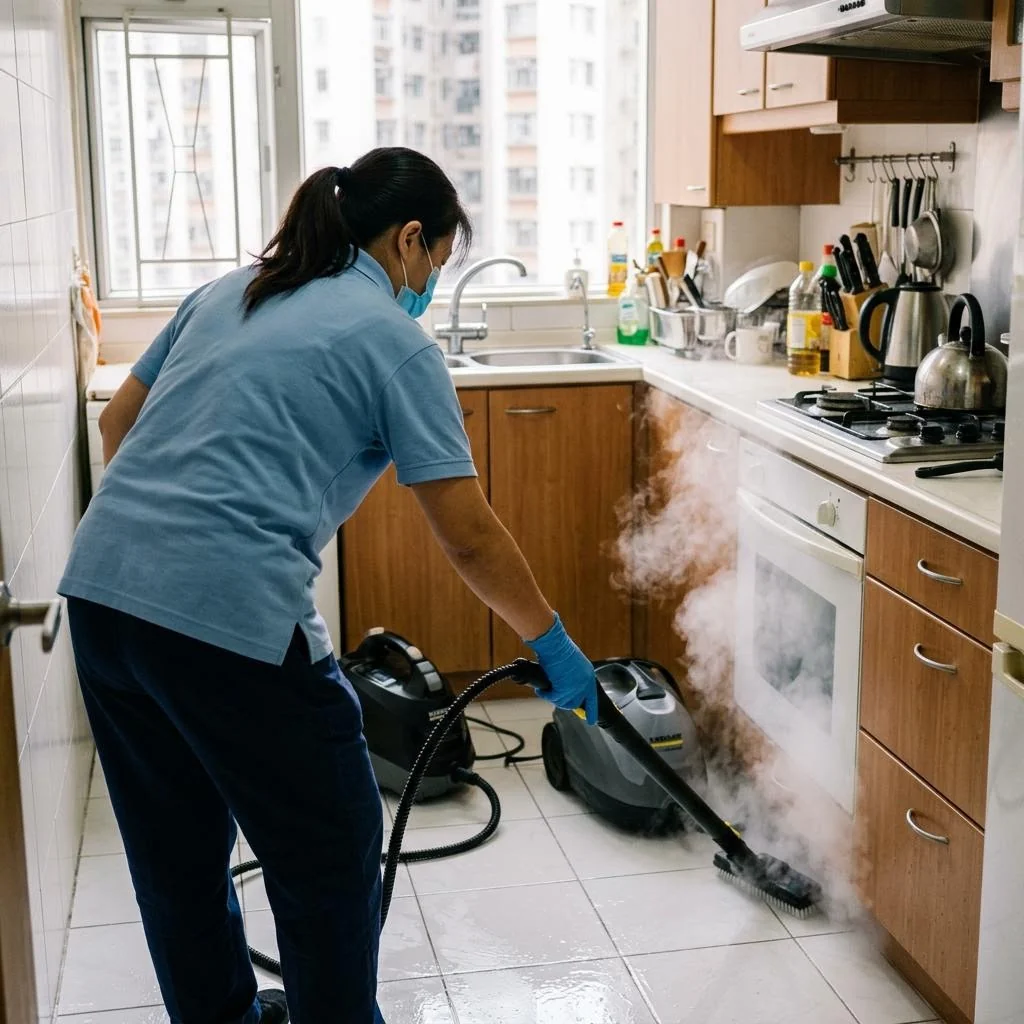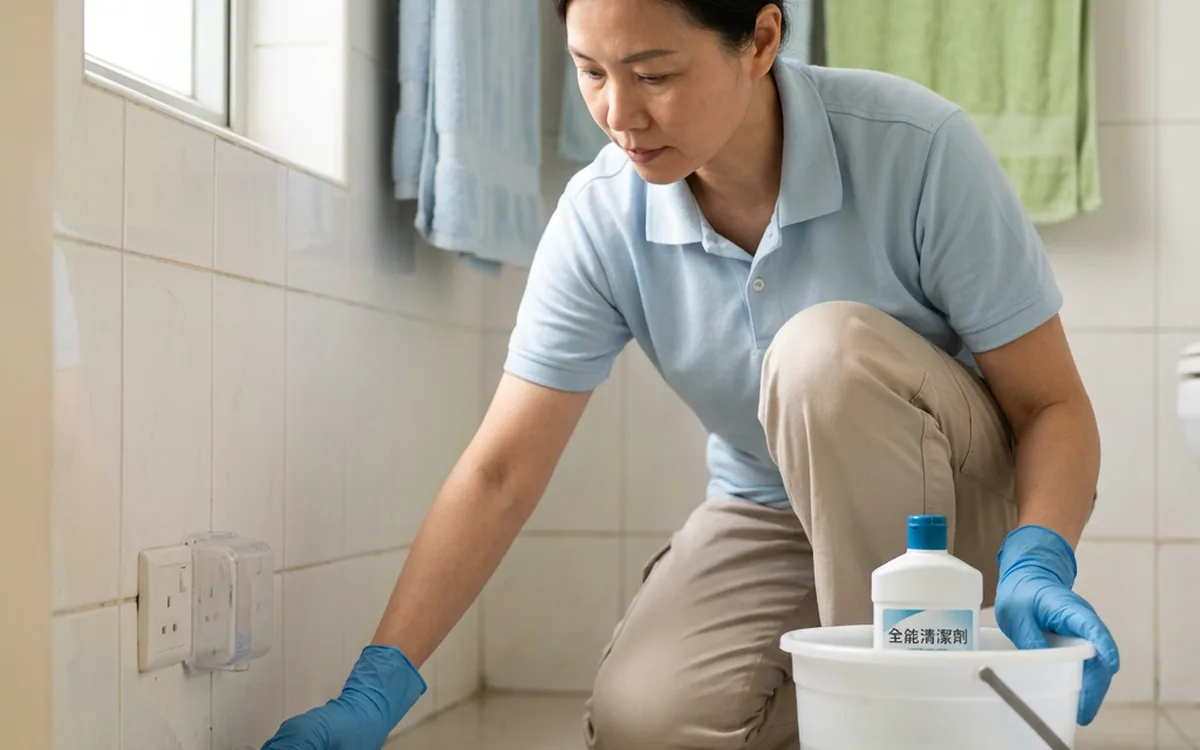
After a flood, never enter the scene if it is energized or waterlogged. After power is disconnected, first assess the source of sewage and the extent of the impact. Porous materials like carpets and sub-floor wood may harbor mold, which, if handled improperly, can cause structural hazards. Please ensure the site is kept dry and have professional personnel conduct follow-up inspections.
What should be confirmed first before entering?
If there is still standing water, exposed wires, odors, sagging ceilings, or other dangers, do not enter to take photos or switch on power yourself. Have appropriate professional personnel and relevant management units handle safety issues, and seek emergency help in case of immediate danger.
Even if the water looks clear, it cannot be proven to be unpolluted by appearance alone.
Why are the water source and pollution level important?
Risks from burst clean water pipes, rain infiltration, and sewage backflow differ, and methods for treatment and material disposal vary. State the source and time of flooding first.
| Data | Purpose |
|---|---|
| Water source | Assess pollution and required professional treatment |
| Affected area and depth | Arrange equipment and scope |
| Soaking duration | Assess drying and material condition |
| Appliance and outlet locations | Prioritize excluding electrical risks |
How should the order of cleaning be arranged after safety confirmation?
Starting cleaning before treating the water source easily leads to re-flooding. Cleaning water, sludge, materials, and drying cannot be completed with just one floor-mopping procedure.
- Treat water source and confirm safety
- Assess pollution and damaged materials
- Remove standing water and sludge appropriately
- Handle cleanable surfaces and pollutants
- Arrange drying and follow-up inspections
- Confirm needed repairs or replacements
Can carpets, wooden floors, and walls be saved?
Not necessarily. Porous materials, fillers, and seams may absorb moisture or pollution; cleaning does not guarantee the repair of swelling, mold damage, and structural defects.
The US EPA points out that situations involving sewage or other contaminated water, as well as some mold-affected porous materials, should be assessed by experienced professional personnel.
How to provide information for remote inquiries?
Only take panoramic photos or videos from safe locations to explain the water source, affected floors, range, and measures taken, without stepping into dangerous locations for close-ups.
After cleaning, follow up with drying, electrical inspections, and necessary repairs. The absence of water on the surface does not mean the inside of walls or the sub-floor is dry.